
Crime Games


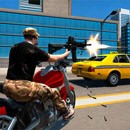






Crime Games put the player on the wrong side of the law and ask what they plan to do about it. Robberies, chases, gang deals and escapes provide the structure, while consequences arrive in the form of police, rivals and a shrinking list of safe places. Here is how the category works and how to choose within it.
The Core Loop of Crime Games
Most titles follow the same cycle: take a job, carry it out, escape the response, then spend the earnings. The pattern repeats at larger scale as you unlock better weapons, safer hideouts and more dangerous contacts. Crime Games succeed when each stage of that cycle has its own tension, so the plan, the act and the getaway all feel different.
The reward is usually money, reputation or access. Money buys equipment, reputation changes how characters treat you, and access opens districts that were blocked at the start. Players who track all three tend to progress faster than those who chase only cash.
Heat, Stars and Wanted Levels
Police attention is the central pressure. A minor offense may draw a single patrol car, while a serious one can bring roadblocks, helicopters and armored units. Crime Games express this escalation through a visible meter, often a row of stars, and the way you lower it is part of the challenge.
Common ways to lose attention include:
- Breaking line of sight and waiting out the search radius.
- Repainting or swapping a vehicle at a garage.
- Entering an interior where patrols cannot follow.
- Paying a fine or a bribe where the title allows it.
Gangs, Turf and Rival Crews
Territory gives the player something to defend. Neighborhoods may belong to a crew, and moving through them with the wrong colors can start a fight. Some titles let you capture blocks and collect income from them, which makes every district a small strategic problem.
Rival crews add variety because they behave differently from police. They ambush, retaliate and hold grudges, so a mission that went badly yesterday can return as a drive-by today.
Moral Choices and Their Consequences
Few titles in this group ask you to be good, but several let you choose how far to go. You can spare a witness or silence one, take a quiet route or a loud one, work for a boss or betray him. Crime Games with branching results make those decisions visible through dialogue, endings and the way characters react.
Other titles keep the story fixed and place the choice in the mission itself. Both approaches work, but they suit different players, so read the description before starting.
Top-Down Versus Third-Person Cameras
Camera view changes how a crime feels. A top-down perspective, as seen in the original Grand Theft Auto, shows the whole street and makes planning easy. A third-person camera puts you behind the character, so you see less but feel more of the chase.
Neither is better in every case. Top-down suits quick sessions and tactical thinking, while third-person fits longer stories and detailed cities. A browser-playable entry such as Grand Action Simulator shows how a modern city map can combine both ideas through vehicles and on-foot combat.
Planning a Job: Preparation Before Action
The best moments in Crime Games often happen before anyone fires a shot. Scouting a location, choosing a vehicle, buying equipment and picking an exit route all shape how the job ends. Titles that reward preparation make a robbery feel earned, while those that skip it reduce the job to a button press.
Players who like planning should look for Crime Games with heist structures, where each stage of the job has its own setup. Players who prefer improvisation should look for open maps where a failed plan can turn into a chase through the streets without a restart.
A useful habit is to learn the map before the first serious job. Knowing which alleys connect and which bridges are blocked can save a mission that would otherwise end in the first minute.
What Makes an Escape Memorable
An escape works when it forces decisions. A road with three exits, a police unit closing in and a fuel gauge near empty creates more tension than a straight highway. Crime Games succeed here by combining vehicle handling, enemy behavior and map layout into one problem.
The tone of the pursuit matters too. Some titles aim for realism, with cautious police and heavy cars. Others lean toward comedy, with ramps, explosions and cars that fly. Both approaches have fans, and both appear across Crime Games of different styles.
When a chase ends with a narrow escape, players tend to remember the exact corner where it happened. That kind of story is the main reason many people return to the category.
How to Pick Your Next Crime Title
Start with your preferred pace. If you want constant action, choose a title with short jobs and frequent chases. If you prefer a story, look for a defined cast and longer missions that build toward a finale.
The home page of GTA5InBrowser lists every entry, and each page notes the cast, map and main mechanics. Pick one title, play for an evening and see whether the loop of job, escape and reward holds your interest before moving on to the rest of the Crime Games shelf.