
Open World Games

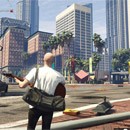
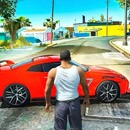





Open World Games let a player decide where to go first, what to skip and how long to stay in one district. The map is the main feature, and every mission, vehicle and side activity sits somewhere on it. This page explains what the category covers and how to pick a title that suits your pace.
What Counts as an Open World Title
The label applies when one large map is reachable early, without a fixed corridor of levels. Streets, rooftops, coastlines and interiors connect into a single space, and the player moves between them without a separate loading screen for each task. Open World Games differ from linear action titles because the order of activities belongs to the person holding the controller, not to a script.
Missions normally announce themselves with an icon, a phone call or a character standing on a corner. Nothing forces you to walk toward that marker. Many players spend the first hour driving in the wrong direction on purpose, and the category is built to allow that.
Map Size Versus Map Density
A large map does not guarantee a good one. Some titles spread a few buildings across a wide plain, while others pack a small district with interiors, shortcuts and hidden spots. Open World Games are better judged by how often something interesting appears within a minute of travel than by the number of square kilometers on the box.
Density shows up in small details: traffic that reacts to a crash, pedestrians who scatter when a car mounts the pavement, shops that open at fixed hours. These systems turn an empty space into a place with habits.
Ways to Spend the First Hour
Players tend to start in one of a few ways, and each one reveals something about the world.
- Follow the main road. You see the structure of the map and learn where the major districts sit.
- Take the first vehicle in sight. The handling tells you how seriously the title treats driving.
- Climb the highest point. A view over the landscape helps you choose a direction.
- Start the opening mission. The story introduces its characters and unlocks the first set of tools.
Vehicles as a Way to Read the Landscape
Cars, bikes, boats and aircraft change how the same map feels. A road that takes four minutes in a sedan can take forty seconds by plane, and a coastline that looks decorative from the street turns into a route when you have a boat. Open World Games often unlock faster transport as you progress, so the map seems to shrink as your reach grows.
Handling matters as much as speed. Heavy trucks reward patience, motorbikes reward nerve, and helicopters reward planning. Try each class once before deciding which one you prefer.
Missions, Side Activities and Pacing
Story missions give the map direction, but side activities give it texture. Races, collection quests, taxi runs and hidden items let you keep playing without following the plot, and they are often where the best moments appear. A title such as GTA San Andreas shows how three cities and a long list of optional tasks can keep one map interesting for weeks.
Pacing is the common complaint. Some players feel overwhelmed by icons on the map, while others miss a clear sense of progress. Look for a title that lets you hide markers or set your own goals.
Choosing a Title by Play Style
Match the shelf to your habits before you start a long session.
- If you like exploring without a plan, pick a title with many small interiors and secrets.
- If you prefer driving, look for a map with long roads, varied surfaces and a reliable police response.
- If you want a story, choose a title with a defined cast and a mission chain that unlocks new areas.
- If you play in short sessions, pick a map where side tasks start close to where you spawn.
Time of Day, Weather and Atmosphere
Atmosphere separates a convincing map from a flat one. Day and night cycles change traffic, lighting and the kind of trouble you find, and weather alters how vehicles grip the road. Open World Games that include these systems give the same street several different moods in a single session.
Night driving in the rain is a common memory among fans of Open World Games, because it makes familiar roads feel unfamiliar. Reflections, shorter sight lines and longer braking distances turn a routine trip into a small challenge.
Sound completes the picture in Open World Games of every size. Radio stations, distant sirens and crowd noise tell you what part of the city you are in even when you cannot see it.
Common Frustrations and How Players Cope
Every shelf of Open World Games has titles with familiar problems: long drives between missions, repeated activities and unclear goals. Players handle these in different ways. Some set personal rules, such as never using fast travel, while others skip filler tasks and follow only the main story.
Travel time is the most frequent complaint about Open World Games. If a title makes you cross the map for every mission, look for shortcuts, unlockable vehicles or safe houses near the action. A well-designed map reduces this problem by itself.
Bugs also appear more often on large maps than in small levels, because more systems interact. Save before risky actions, and report problems when the title offers a way to do so.
Co-Existing Goals on One Map
A strong map holds several goals at once. You may be racing toward a mission marker while a side activity appears on the way, and Open World Games let you drop one goal for the other without penalty. That flexibility is the clearest difference between the category and a level-based title.
Where to Begin on the Site
Browse the list on GTA5InBrowser and open a few pages before committing to one. Each description names the map, the main activities and the points that players debate. Spend the first ten minutes of any title on movement only: walk, drive, fall off a roof and see what the world does in response. That small test tells you more than a trailer, and it shows whether Open World Games of this kind match what you wanted from the category.